
Car Stickers for Branding: The Complete Australian Business Guide
Discover how custom car stickers can boost brand visibility for Australian businesses, sports clubs, and marketing teams. Order tips inside.

Written by
Yuna Park
Event Merchandise
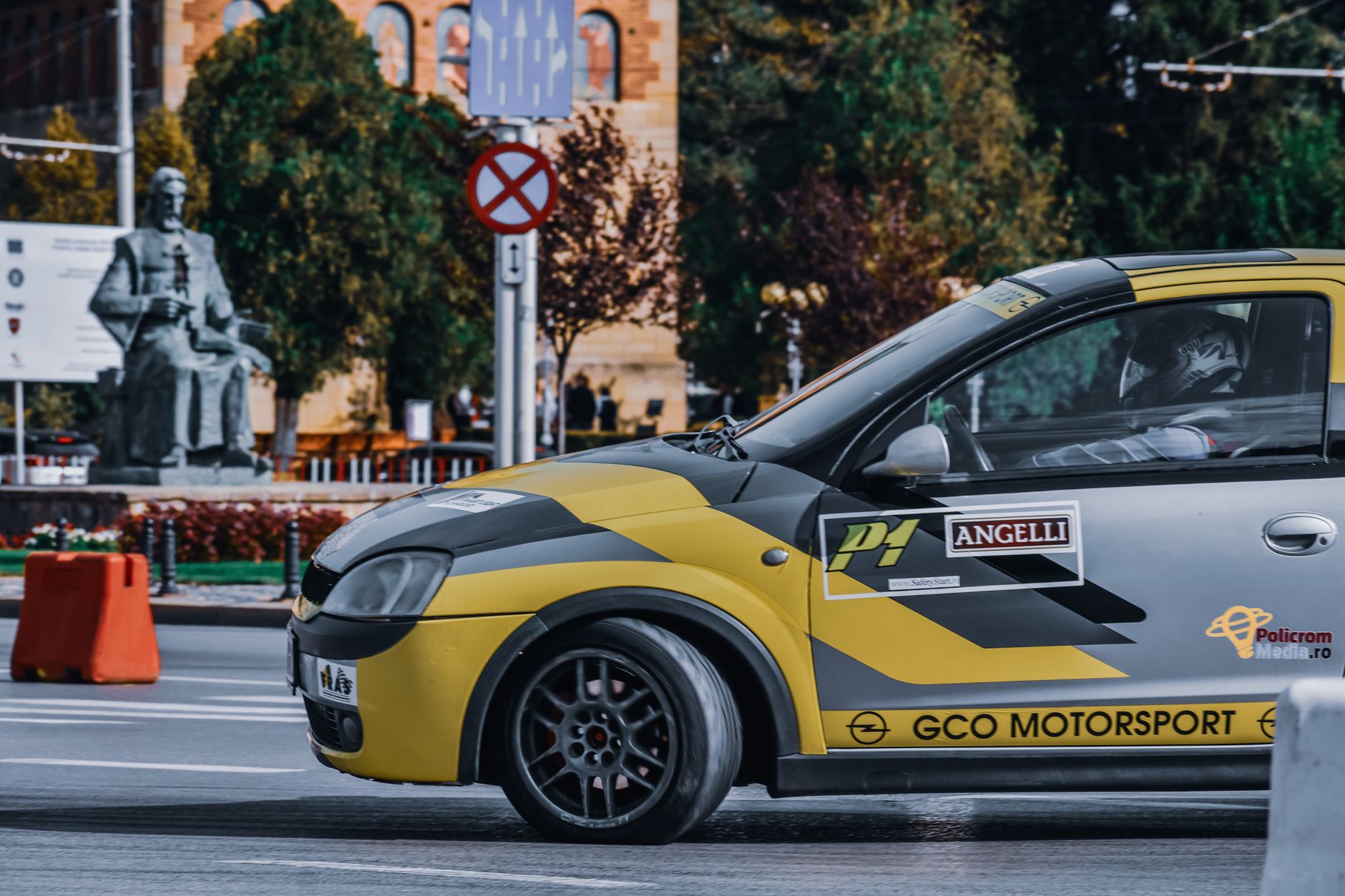
Custom car stickers are one of the most underrated tools in the Australian promotional products arsenal. They’re affordable, highly visible, and — when done right — they turn everyday vehicles into moving billboards that work around the clock. Whether you’re a Sydney-based tradie business looking to brand your fleet, a Brisbane football club wanting supporters to show their pride, or a Melbourne marketing team planning a product launch campaign, a well-designed car sticker can deliver extraordinary bang for your buck. In this guide, we’ll walk you through everything you need to know: from choosing the right materials and decoration methods, to managing your order from artwork to delivery.
Why Car Stickers Deserve a Place in Your Promotional Strategy
In an era dominated by digital advertising spend, physical brand touchpoints are increasingly valuable. A car sticker placed on a vehicle travelling through peak-hour traffic in Adelaide or parked outside a popular café in Perth generates thousands of impressions every single week — without any ongoing cost.
Think about the scale. A single branded vehicle driving regular routes around suburban Melbourne or the Gold Coast can be seen by hundreds of people daily. Multiply that across a fleet of ten vehicles, and you’re looking at a reach that rivals paid social media campaigns at a fraction of the ongoing cost.
For sports clubs, car stickers serve a different but equally powerful purpose: they build community and visibility simultaneously. When players, parents, and supporters plaster your club logo across their rear windows, you’re not just promoting the club — you’re creating a sense of belonging and identity. A Canberra football association distributing custom stickers at their end-of-season presentation night, for example, walks away with hundreds of ambassadors driving their brand across the city.
It’s worth reading our overview of promotional products branding to understand how physical items like stickers fit into a broader brand strategy — they work best when part of a cohesive campaign rather than a standalone effort.
Types of Car Stickers: Choosing the Right Format
Not all car stickers are created equal. Understanding the different formats will help you select the right product for your needs.
Vinyl Decals
Vinyl decals are the industry standard for car stickers in Australia. They’re durable, weather-resistant, and can be printed in full colour or cut to specific shapes. Most quality vinyl decals use a cast vinyl material that resists cracking, fading, and peeling even under the harsh Australian sun — essential for anyone in Queensland, the Northern Territory, or Western Australia where UV exposure is extreme.
Cast vinyl is more expensive than calendered vinyl but lasts significantly longer — typically five to seven years outdoors compared to two to three years for the cheaper alternative. For a business investing in fleet branding, that longevity difference matters enormously.
Bumper Stickers
The classic bumper sticker format is a rectangle or oval shape printed on a durable paper or vinyl substrate. These are popular for sporting clubs, political campaigns, and community organisations. They’re cost-effective to produce in large quantities and typically use a permanent adhesive, so they’re designed to stay put.
Static Clings
Static cling stickers use no adhesive at all — they adhere through static electricity alone. This makes them completely removable and repositionable, which is ideal for short-term promotions, events, or situations where you don’t want a permanent application. A Perth car dealership running a seasonal promotion, for example, might prefer static clings so they can update messaging without leaving residue on vehicles.
Window Stickers and Perforated Film
Perforated window film allows full-colour graphics to be applied to rear windows while maintaining outward visibility from inside the vehicle. This format is popular for transport companies and fleet vehicles wanting maximum visual impact. The effect from outside is striking — a seamless, full-bleed image across the rear glass. These are more expensive to produce and install but create a premium look that commands attention.
Clear vs. White Substrate
For coloured vehicles, printing on a clear vinyl substrate lets the vehicle colour show through, creating a more integrated look. White substrate printing gives you full colour accuracy regardless of the vehicle underneath. Understanding this distinction is important when briefing your artwork — what looks great on a white car may look completely different on a dark vehicle if the background isn’t accounted for in the design.
Artwork and Design: Getting It Right the First Time
Artwork is where most car sticker orders go wrong. A blurry, low-resolution logo might look acceptable on a business card, but scaled up to a 300mm vinyl decal, every imperfection becomes visible.
Here’s what you need to prepare before placing your order:
- Vector artwork (AI, EPS, or PDF) is strongly preferred. Vectors scale infinitely without quality loss, making them ideal for any sticker size.
- High-resolution raster files (minimum 300 DPI at the final print size) are acceptable if vector isn’t available.
- PMS colour references ensure colour accuracy across print runs. If brand consistency is critical — especially for corporate clients or franchises — always supply PMS codes rather than relying on screen colours.
- Safe zones and bleed: for cut-to-shape stickers, keep key design elements at least 3–5mm inside the cut line to avoid trimming critical elements.
If your club or business is ordering custom stickers as part of a broader merch campaign, it’s worth coordinating the artwork with other products. The same principles apply whether you’re ordering promotional notebooks with a logo or vinyl decals — consistent, well-prepared artwork always delivers better outcomes.
Minimum Order Quantities and Pricing
Car stickers are generally one of the most accessible promotional products in terms of MOQs. Many suppliers will produce runs as low as 25–50 units, making them viable even for small sporting clubs or local businesses. For larger orders — think 500+ units — per-unit pricing drops significantly, often by 50–70% compared to low-quantity runs.
A typical price guide for standard vinyl stickers in Australia:
- Small stickers (under 100mm): From around $1.50–$3.00 each at quantities of 50–100 units
- Medium stickers (100–200mm): From around $3.00–$6.00 each at similar quantities
- Large decals (200mm+): Pricing varies significantly depending on shape, material, and finish
Setup fees for die-cut or custom-shaped stickers may apply and are typically a one-off cost. Always clarify whether quoted pricing includes or excludes GST, and ask about artwork setup fees upfront.
For businesses comparing their budget allocation across multiple promotional items, our seasonal promotional products calendar for marketing teams can help you plan sticker orders around key campaign periods.
Decoration Methods for Car Stickers
While car stickers are predominantly produced via digital printing, there are a few important methods worth understanding:
Digital UV printing is the most common method for full-colour car stickers. A UV-cured ink is applied directly to the vinyl substrate, then protected with a laminate (gloss or matte) for durability. This method handles photographic imagery, gradients, and complex logos with ease.
Screen printing is suitable for single or two-colour designs in high volumes. Per-unit cost is lower for very large runs, but setup costs make it impractical for short runs. If your sticker design is a simple two-colour club logo and you need 1,000+ units, screen printing may be worth exploring.
Cut vinyl involves plotting a single-colour vinyl shape — no printing, just precision-cutting. This method is popular for vehicle signage and window decals where a clean, single-colour look is desired. Common for trade and service businesses branding utility vehicles.
If you’re curious about how decoration methods compare across different product types, our guide to sublimation garments offers a useful comparison of print technologies you can apply more broadly.
Turnaround Times: Planning Your Order
Standard turnaround for custom car stickers in Australia is typically 7–14 business days from artwork approval. Rush orders — where available — can sometimes be turned around in 3–5 business days, though this often attracts a surcharge.
Planning ahead is always the smarter approach. If you’re ordering stickers for a trade show, sporting season launch, or product campaign, build in at least three to four weeks from initial briefing to delivery. That buffer accounts for artwork revisions, proof approvals, and any shipping delays — particularly relevant for customers in Darwin, regional Queensland, or remote Western Australia where freight times can extend by several days.
For event-specific promotional planning, it’s worth reviewing trade show exhibit ideas where car stickers can complement your booth signage and giveaway strategy.
Car Stickers as Part of a Broader Merch Mix
Car stickers rarely work in isolation — they’re most effective when combined with complementary products. A sporting club might pair stickers with custom reusable water bottles for their pre-season pack, or a business might include them alongside branded wholesale water bottles in a staff welcome kit. The goal is cohesion: every touchpoint reinforces the same brand message.
For businesses just starting to explore promotional merchandise, our guide to promotional items for small businesses in Melbourne is a great starting point for understanding how to build a cost-effective merch strategy that includes products like stickers.
Similarly, if you’re a business in Sydney exploring how to maximise your promotional products budget, our Sydney promotional products resource covers a wide range of options that pair well with car sticker campaigns.
It’s also worth considering eco-friendly sticker alternatives — recycled vinyl and biodegradable substrates are increasingly available in Australia, which aligns well with brands that have sustainability commitments. If sustainability is a priority for your organisation, pair stickers with products like reusable drinking straws for a consistent eco-conscious brand message.
Common Mistakes to Avoid
Before placing your order, here are a few pitfalls experienced buyers always warn newcomers about:
- Not ordering a sample: Always request a physical sample or prototype before committing to a full run, especially for large orders. The colour on screen rarely matches print exactly without PMS matching.
- Ignoring surface preparation instructions: Stickers applied to dirty, oily, or cold vehicle surfaces won’t adhere properly. Include clear application instructions with your order.
- Forgetting about return policies: Understand the supplier’s position on custom products before ordering. Our guide to return and refund policies for custom promotional products explains what to expect and how to protect your order.
- Underestimating quantity: It’s almost always cheaper to order slightly more than you need upfront than to reorder a small quantity later at a higher per-unit cost.
Key Takeaways
Car stickers are a smart, cost-effective promotional product for Australian businesses, sports clubs, and marketing teams of all sizes. Here’s what to remember as you plan your next order:
- Choose the right material for your conditions — cast vinyl outperforms calendered vinyl in Australia’s harsh UV environment and is worth the extra investment for long-term applications.
- Prepare vector artwork before briefing your supplier — it saves time, avoids quality issues, and ensures your brand looks sharp at any size.
- Plan for turnaround time — allow three to four weeks from briefing to delivery to avoid last-minute stress, especially for regional delivery addresses.
- Integrate car stickers into a broader merch strategy — they perform best alongside other branded touchpoints rather than as a standalone item.
- Understand your MOQs and setup costs upfront — clarify whether pricing includes GST and artwork fees to avoid budget surprises.
A well-executed car sticker campaign puts your brand in front of thousands of Australians every week, with minimal ongoing cost. Whether you’re branding a fleet of vehicles in Perth, rallying club supporters in Brisbane, or building community recognition in regional Victoria, custom car stickers remain one of the most powerful and practical tools in the promotional products toolkit.