
Custom Apparel Consumer Behaviour Trends Every Australian Brand Should Know in 2026
Explore how custom apparel consumer behaviour is shifting in 2026 and what it means for Australian marketing teams, businesses, and sports clubs.

Written by
Katarina Pavlov
Industry Trends & Stats
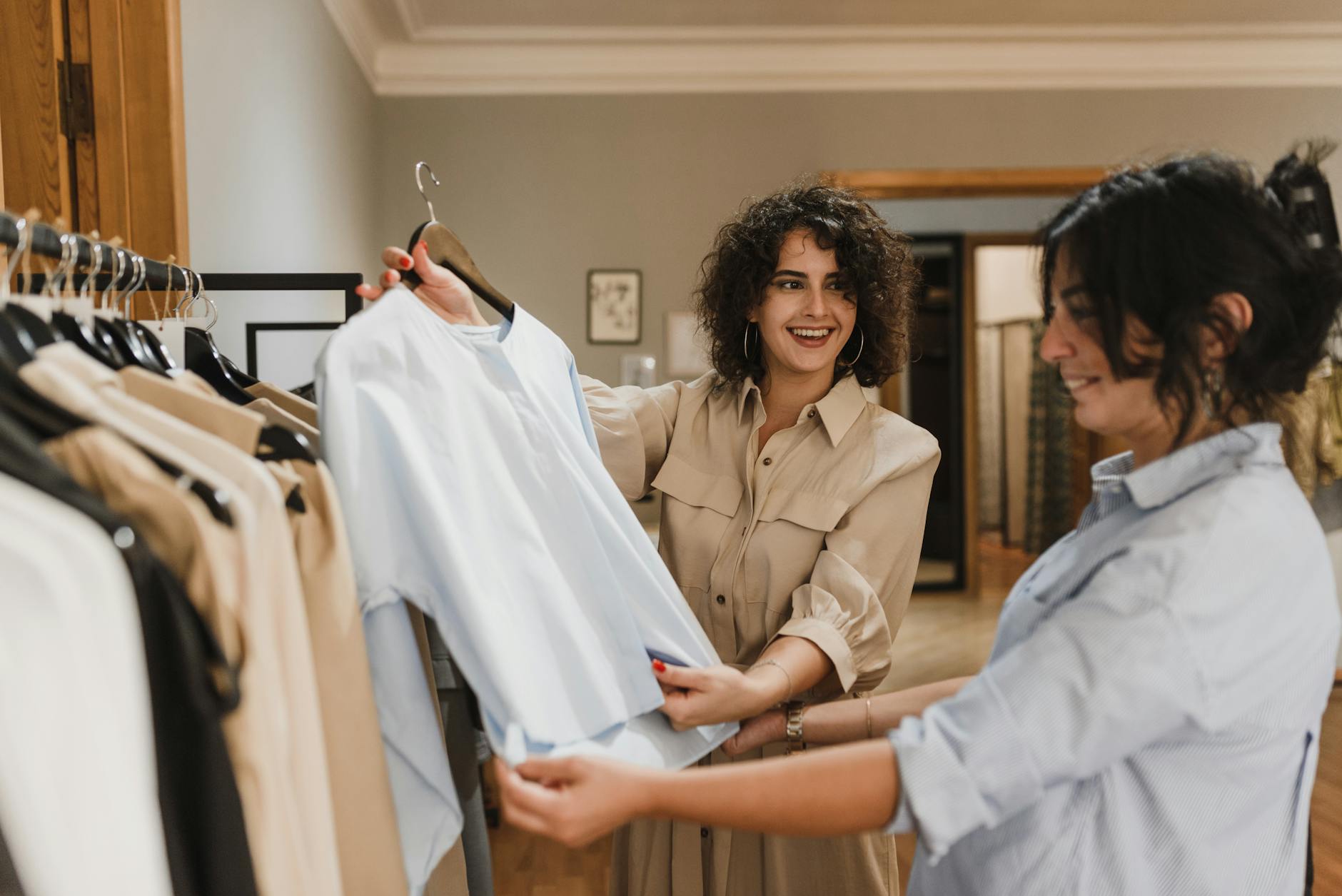
If you’ve ordered branded t-shirts for a corporate event or custom jerseys for a footy club in the last couple of years, you’ve probably noticed something: people care a lot more about what they wear — and why they wear it — than they used to. Custom apparel consumer behaviour has shifted considerably, and for Australian marketing teams, businesses, and sports clubs trying to make an impact with branded merchandise, understanding those shifts isn’t just interesting. It’s essential. From sustainability expectations to the rising demand for quality-first design, the landscape in 2026 looks markedly different from just a few years ago. This guide breaks down the key behavioural trends, what’s driving them, and — crucially — how to respond strategically.
Why Custom Apparel Consumer Behaviour Has Changed
The promotional products industry, including custom apparel, has long operated on a relatively simple model: produce branded items in bulk, distribute them at events or to staff, and let the logo do the work. That model still has merit, but it’s increasingly insufficient on its own.
Several converging forces are reshaping how recipients — employees, customers, event attendees, and club members — think about branded clothing:
Rising Expectations Around Quality
Australians are no longer satisfied with a flimsy singlet or scratchy polo just because it has a logo on it. Consumer expectations around garment quality have climbed significantly, influenced partly by the growth of the athleisure and streetwear markets. Recipients now judge branded apparel the same way they’d judge retail clothing — by the weight of the fabric, the cut, the softness of the print, and how it holds up after washing.
For a Sydney corporate team handing out event t-shirts or a Brisbane sporting club ordering training gear, this means choosing blank garment quality thoughtfully rather than defaulting to the cheapest option. A well-made item gets worn repeatedly in public. A poor-quality one ends up in the bin — and so does your brand impression with it.
The “Would I Actually Wear This?” Test
This is perhaps the most significant behavioural shift in the custom apparel consumer landscape. Increasingly, people apply an honest self-assessment before keeping or wearing branded clothing: would I wear this if it didn’t have a logo on it?
Items that pass this test generate genuine brand exposure. Items that don’t tend to accumulate at the bottom of a drawer. This behavioural filter is driving demand for:
- Neutral or on-trend colourways over garish corporate palettes
- Cleaner, more considered logo placement (chest left, sleeve, or subtle back-of-neck)
- Premium decoration methods like embroidery or sublimation printing on garments rather than low-resolution plastisol prints
- Relaxed fits that reflect current fashion rather than boxy corporate cuts
Understanding this test is particularly relevant for promotional products branding strategies, where the goal is genuine wear frequency rather than a one-off appearance at an event.
Sustainability Is Now a Core Expectation, Not a Bonus
If there’s one theme that consistently emerges when examining custom apparel consumer behaviour trends heading into 2026, it’s sustainability. What was once a “nice to have” is now a purchase driver — and increasingly, a dealbreaker.
What Consumers Expect From Eco-Conscious Apparel
Australian consumers, particularly in the 18–45 demographic, have grown significantly more attentive to the environmental credentials of the products they receive and use. For branded apparel, this plays out in several ways:
Material expectations — organic cotton, recycled polyester (rPET), and blended bamboo fabrics are no longer niche requests. They’re becoming table stakes for organisations that want their branded items to reflect genuine values.
Print method scrutiny — water-based inks for screen printing, reduced-waste digital printing, and non-toxic embroidery threads are gaining traction over traditional solvent-heavy processes.
Packaging choices — receiving a branded hoodie in a single-use plastic bag feels incongruous to an environmentally aware recipient. Recycled packaging, tissue paper, or minimal wrapping aligns better with broader expectations.
For teams currently reviewing their procurement approach, pairing custom apparel with reusable products and other environmentally minded merchandise signals a consistent set of values to your audience.
How Decoration Method Choices Influence Wearer Behaviour
Here’s something that doesn’t get enough attention in conversations about custom apparel: the decoration method itself significantly influences whether someone chooses to wear branded clothing. This is a genuinely important layer of custom apparel consumer behaviour that affects return on investment.
Embroidery, for example, reads as premium and holds up through many washes — it signals that a garment is meant to be kept. Screen printing with soft-hand water-based inks wears comfortably and looks clean. Our guide to screen printing on custom caps in Australia goes into detail on how the right method affects perceived quality — the same principles apply across all custom apparel.
Conversely, thick, cracked vinyl heat transfers or poorly registered multi-colour prints can make even a quality garment feel cheap, reducing the likelihood it gets worn after the first occasion. The decoration investment should scale with garment quality — spending up on a good blank and then underinvesting in decoration is a common mistake.
The Role of Identity and Belonging in Custom Apparel Demand
Beyond individual consumer behaviour, there’s a powerful social dimension to branded apparel. For sporting clubs, schools, and community organisations especially, custom clothing functions as a belonging signal — it communicates membership, pride, and shared identity.
Community Apparel and the Sports Club Market
Across Australia — from an Adelaide amateur football club to a Gold Coast netball association — the emotional resonance of pulling on a club jersey or training top remains strong. The behaviour shift here isn’t about rejection of traditional branded apparel; it’s about expectation for it to feel worth wearing.
Teams and clubs that invest in proper uniform design — working with a decorator who understands promotional products in Gold Coast or your local market — tend to see higher rates of member participation and stronger community cohesion as a result.
The same identity dynamic applies in the corporate context. Staff who feel pride in their organisation’s brand and receive well-designed uniforms are more likely to wear branded apparel voluntarily, creating genuine organic brand exposure in daily commutes, coffee shops, and community settings.
Budget Behaviour and Ordering Patterns in 2026
Understanding how organisations approach the purchase of custom apparel is just as important as understanding how recipients use it. Several trends are worth noting for marketing teams and procurement managers.
Smaller Runs, More Frequently
Minimum order quantities (MOQs) for custom apparel have long been a sticking point, particularly for smaller businesses, clubs, or government teams in regional centres. The good news is that digital printing advances have made smaller runs more commercially viable than ever. Rather than ordering 500 units annually, many organisations now prefer two or three runs of 100–150 units to keep designs fresh and reduce inventory risk.
This shift connects to broader conversations about promotional merchandise subscription models — the idea that branded goods are most effective when they’re timely and relevant, not warehoused.
Seasonal Planning Is Critical
Australian marketing teams increasingly approach custom apparel as part of a broader seasonal merchandise calendar rather than as standalone orders. A well-timed spring campaign featuring branded performance tees or a winter push with embroidered fleece hoodies lands more effectively than a generic annual order. Our seasonal promotional products calendar for marketing teams offers a practical planning framework for this approach, and our spring custom products guide is worth reviewing for October-to-December campaign planning specifically.
Understanding Returns and Policies Before You Order
Consumer behaviour extends to post-purchase expectations. As branded merchandise orders grow in value and complexity, procurement teams are paying closer attention to supplier policies around quality issues, sizing errors, and artwork disputes. Before committing to a large custom apparel order, understanding return and refund policies for custom promotional products is essential due diligence that many first-time buyers overlook.
Custom Apparel as Part of a Broader Merchandise Strategy
Savvy organisations in 2026 are rarely relying on apparel alone. Custom clothing works best when it’s part of a cohesive branded merchandise ecosystem — think beyond the t-shirt to the full unboxing or gifting experience.
A Melbourne tech company onboarding new staff might pair an embroidered hoodie with a branded notebook, a reusable water bottle, and a USB-C cable in a curated welcome kit. A Canberra government department heading to a conference might combine branded polos with trade show exhibit materials and custom lanyards (even in small quantities for satellite events). In each case, apparel becomes an anchor piece that earns its place within a broader, thoughtfully assembled brand touchpoint.
Conclusion: What Australian Brands Should Take Away
Custom apparel consumer behaviour is telling us something important: branded clothing is no longer just a logo delivery mechanism. It’s a product that people evaluate, keep (or don’t), and wear based on genuine quality and design merit. For Australian marketing teams, sports clubs, and businesses, adapting to these shifts is the difference between merchandise that generates brand exposure and merchandise that ends up forgotten.
Key takeaways:
- Quality and wearability are now the primary filters — invest in garment quality and decoration method to pass the “would I actually wear this?” test
- Sustainability expectations are mainstream — eco-conscious materials and printing methods are now a meaningful purchase driver, not an optional extra
- Identity and belonging matter — for sports clubs and community organisations, well-designed apparel builds cohesion and pride, not just brand visibility
- Ordering patterns are evolving — smaller, more frequent runs tied to seasonal planning outperform large annual blanket orders
- Apparel works best in context — pair custom clothing with complementary merchandise for a cohesive, high-impact brand experience that recipients genuinely value