
Custom Clothing Patches: The Complete Guide for Businesses and Sports Clubs
Discover how custom clothing patches can elevate your brand, team, or club's identity. Expert tips on types, decoration, ordering, and budgeting.

Written by
Riley Monk
Custom Apparel
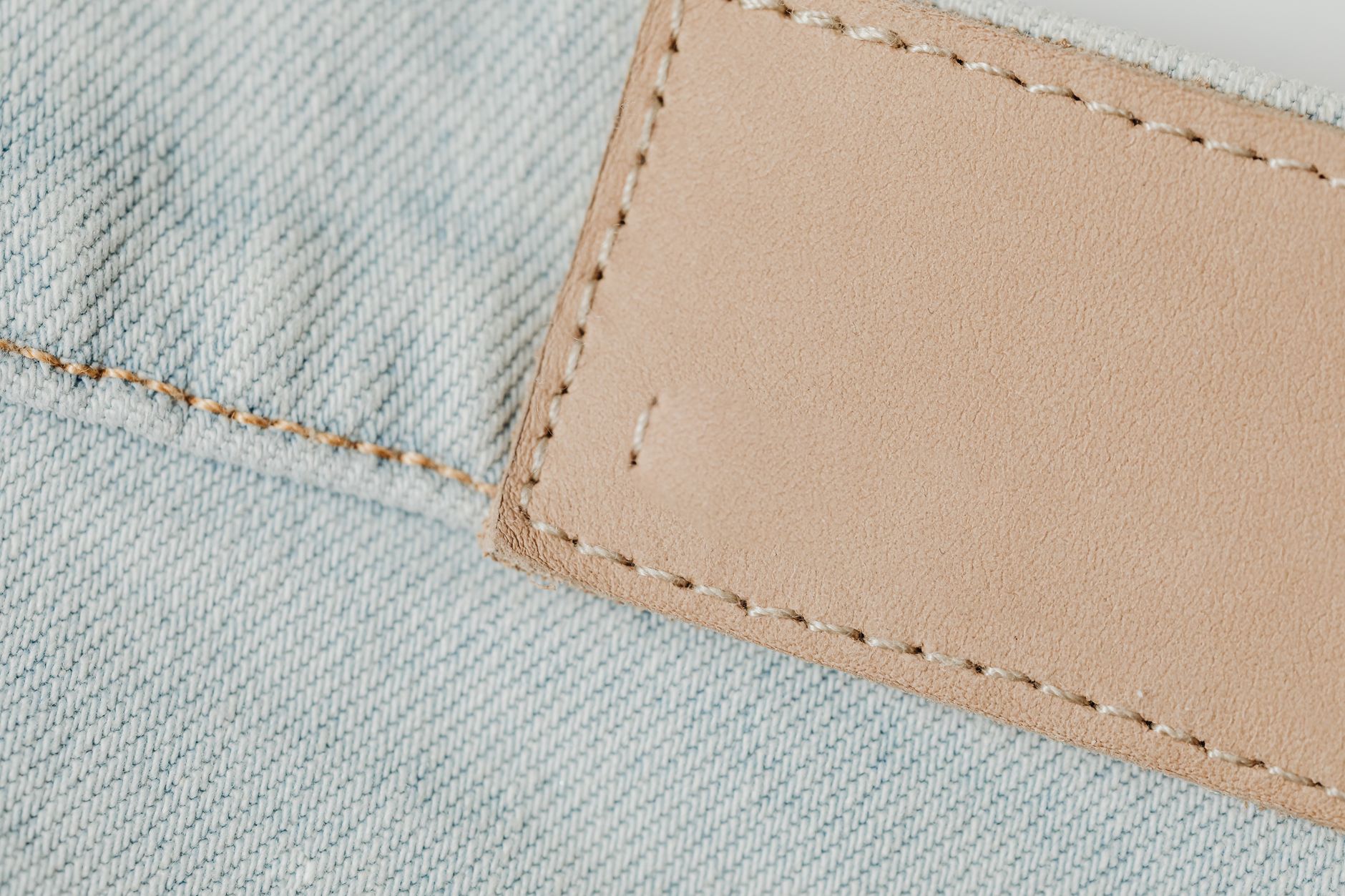
Few branding tools deliver the same tactile, lasting impression as a well-crafted custom clothing patch. Whether it’s stitched onto a football club’s training jacket, ironed onto a school camp hoodie, or woven into the sleeve of a corporate uniform, patches have a way of making branded apparel feel genuinely premium — the kind of thing people hold onto rather than toss in the back of a drawer. For Australian marketing teams, businesses, and sports clubs looking to stand out in 2026, understanding how to use custom patches strategically can unlock a surprisingly versatile and cost-effective branding channel.
What Are Custom Clothing Patches and Why Do They Matter?
Custom clothing patches are decorative or branded fabric elements applied to garments or accessories. They come in a range of formats — from intricately embroidered crests to woven, PVC, or heat-transfer versions — and can be attached via sewing, iron-on adhesive, or Velcro backing. What makes them so enduring is their permanence and perceived quality. A digitally printed graphic on a cheap t-shirt might fade after a season, but a well-made embroidered patch on a premium jacket communicates craftsmanship that aligns your brand with quality.
For sports clubs across Queensland and Victoria, patches offer a traditional, heritage-inspired aesthetic. Think football clubs with embroidered chest crests, netball associations with woven sleeve patches, or junior rugby teams whose members cherish the badge they earned after a successful season. For corporate brands, patches add a refined finish to uniforms, workwear, and event apparel that plain screen printing or basic embroidery sometimes can’t achieve on its own.
It’s also worth noting how patches tie into broader promotional products branding strategies. When executed thoughtfully, a quality patch becomes a conversation starter — a mini billboard worn with pride.
Types of Custom Clothing Patches Available in Australia
Understanding your options before placing an order will save you time, money, and disappointment. Here’s a breakdown of the most common patch types available from Australian suppliers.
Embroidered Patches
The classic choice. Embroidered patches are created using thread stitched over a base fabric — typically twill — and can incorporate fine lettering, logos, and detailed artwork. They’re durable, washable, and carry a premium look that suits everything from sport to corporate. Most suppliers offer a minimum order quantity (MOQ) of around 50–100 pieces, with pricing dropping significantly at 200+ units.
Woven Patches
If your artwork includes fine lines, intricate detail, or small text, woven patches are worth considering. Unlike embroidery, woven patches use a finer weave that captures more detail with a flatter finish. They’re popular with fashion labels, bands, and associations that need crisp, readable type at smaller sizes.
PVC (Rubber) Patches
PVC patches have become increasingly popular for sporting clubs and outdoor apparel. Made from soft, moulded rubber or PVC, they’re waterproof, incredibly durable, and have a three-dimensional quality that looks striking on caps, bags, and jackets. An Adelaide hiking group or a Gold Coast surf club might lean toward PVC patches for their rugged, tactile appeal.
Heat Transfer (Iron-On) Patches
These patches use a heat-activated adhesive backing, making them easy to apply without sewing. They’re a cost-effective option for short-run orders and are commonly used in school environments, event merchandise, and casual apparel. Keep in mind that heat transfer patches are generally less durable than sewn-down versions, particularly on items that are washed frequently.
Chenille Patches
Less common but making a comeback, chenille patches are crafted from thick, velvety yarn — the kind you’d associate with American varsity jackets. They’re bold, tactile, and perfect for giving sports club apparel a retro or premium feel. A Melbourne AFL social club or a Sydney university society could use chenille patches to create standout, collectible merch.
Woven Labels vs. Patches
It’s worth distinguishing between decorative patches and woven labels, which are primarily used for branding inside garments (think: brand names and care instructions). If you’re producing sublimation garments or custom apparel at scale, you might want both — a patch for the outside and a woven label for the inside.
Choosing the Right Patch for Your Application
Selecting the right patch type comes down to a few key questions: What garment or item will it go on? What’s your budget? How detailed is your artwork? And how many do you need?
For corporate workwear, embroidered patches on the chest or sleeve of a polo shirt or jacket give a polished, professional result. For a Brisbane primary school’s sports day apparel, a simpler heat transfer patch may be all that’s needed — keeping costs down while still delivering a cohesive visual identity. For a Perth cycling club with a detailed crest logo, a woven patch would preserve all the fine artwork elements that embroidery might simplify.
Turnaround times vary. Standard orders for embroidered patches typically take 10–15 business days once artwork is approved, while PVC patches can take 3–4 weeks due to the moulding process. If you’re working to a tight deadline — say, a Canberra charity fun run in six weeks — always confirm lead times upfront and factor in freight. For time-sensitive projects, it’s also helpful to check a supplier’s return and refund policies for custom promotional products before committing.
Artwork Requirements and Colour Matching
This is where many first-time patch buyers get caught out. Good artwork makes for a great patch. Poor artwork makes for a frustrating back-and-forth with your supplier and delays.
For embroidered patches, vector artwork (AI, EPS, or PDF formats) is strongly preferred. Suppliers will convert your design into a stitch file — a process called digitising — which adds a one-off setup fee, typically ranging from $25 to $75 depending on complexity. Once digitised, the file is reusable for future orders, so the cost amortises over time.
PMS (Pantone Matching System) colour references are important for brand accuracy. If your corporate colours are specific shades of navy or burgundy, provide your PMS codes to ensure the thread or PVC colouring matches your brand guidelines precisely. This is especially relevant when patches will sit alongside other branded items — caps, bags, or water bottles — where colour consistency matters.
For woven and PVC patches, high-resolution artwork (300 DPI minimum) is typically acceptable alongside vector files.
Ordering Custom Clothing Patches: Practical Tips
Whether you’re a marketing manager in Sydney ordering patches for a staff uniform rollout, or a sporting club treasurer in Hobart trying to stretch a tight budget, these practical pointers will help the process run smoothly.
Start with a sample. Most suppliers offer pre-production samples or digital proofs before committing to a full run. Always request one, especially for embroidered patches — what looks fine on a flat design can lose definition once stitched.
Understand your MOQs. For embroidered and woven patches, MOQs of 50–100 units are typical. PVC patches often start at 100 units. If you only need 20–30 patches, you may be looking at heat transfer options or paying a premium for low-quantity runs. For other branded items with flexible MOQs, check out our resource on small quantity custom lanyards for a sense of how MOQ structures work across different product types.
Think about backing type. Will you be attaching patches yourself, or do you need a supplier to apply them to garments? If self-applying, iron-on or Velcro backing simplifies the process. If having a decorator apply them, sewn-down with a merrow (overlocked) border is the most professional result.
Budget appropriately. At quantities of 100 embroidered patches, expect to pay roughly $3–$6 per patch plus a digitising setup fee. PVC patches at 100 units typically range from $5–$10 each. Pricing drops considerably at 500+ units, so if you’re coordinating merchandise for a large event or multi-team sporting association, bulk ordering makes strong financial sense.
Plan ahead seasonally. If your patches are tied to a specific season — a footy grand final, a school year transition, a spring custom products launch — build extra lead time into your planning. Rush orders are possible but costly.
Applications Across Sectors
The versatility of custom clothing patches makes them relevant across a wide range of organisations. Here are a few scenarios worth considering:
- Corporate teams: A Darwin-based mining company could add embroidered chest patches to hi-vis workwear, creating a professional, consistent look across their field crews.
- Sports clubs: A Gold Coast touch football club could use woven patches as player of the match or season awards — a meaningful keepsake for members.
- Events and conferences: Organisers of trade show exhibits often use custom patches on staff apparel to create a cohesive, branded team presence on the floor.
- Schools and universities: Custom patches can serve as achievement badges, house colour identifiers, or excursion apparel branding — ideal for both primary schools and TAFEs.
- Marketing campaigns: Patches can even be included in a promotional merchandise subscription box or campaign goodie bag as a tangible, collectible item that recipients are likely to use and keep.
For small businesses looking to build brand recognition on a budget, patches represent excellent value compared to full-garment custom printing. Our guide to promotional items for small businesses in Melbourne explores additional cost-effective branding ideas worth pairing with your patch strategy.
You might also consider how patches complement other product categories in a campaign — for example, pairing a branded patch jacket with a reusable water bottle or promotional notebooks with a logo for a comprehensive, cohesive promotional package.
If you’re planning your full year of merchandise activity, a seasonal promotional products calendar for marketing teams can help you align patch orders with key dates and campaign windows.
For sporting events that want a full suite of branded merchandise, consider how patches fit alongside other items in your promotional merchandise for obstacle course races in Australia or similar events.
Conclusion: Key Takeaways on Custom Clothing Patches
Custom clothing patches are a proven, versatile branding tool that can elevate everything from corporate uniforms to sports club kits. Here’s what to keep in mind as you move forward:
- Choose your patch type carefully — embroidered for premium quality and durability, woven for fine detail, PVC for outdoor or rugged applications, and heat transfer for budget-conscious short runs.
- Prepare quality artwork — vector files and PMS colour references will ensure the most accurate, professional result and reduce back-and-forth delays.
- Understand lead times and MOQs — most patch types require 10–20 business days and a minimum of 50–100 units; plan your timeline accordingly to avoid rush fees.
- Request a sample or proof — always approve a pre-production proof before committing to a full run, particularly for embroidered designs with fine detail.
- Think beyond the garment — custom clothing patches can be incorporated into event merchandise, achievement programmes, subscription boxes, and campaign giveaways to maximise their impact and longevity.
With the right supplier, solid artwork, and a clear brief, custom clothing patches can become one of the most memorable and lasting elements of your brand’s physical presence in 2026 and beyond.